Best Odds Guaranteed in Horse Racing: How BOG Works
 Available in US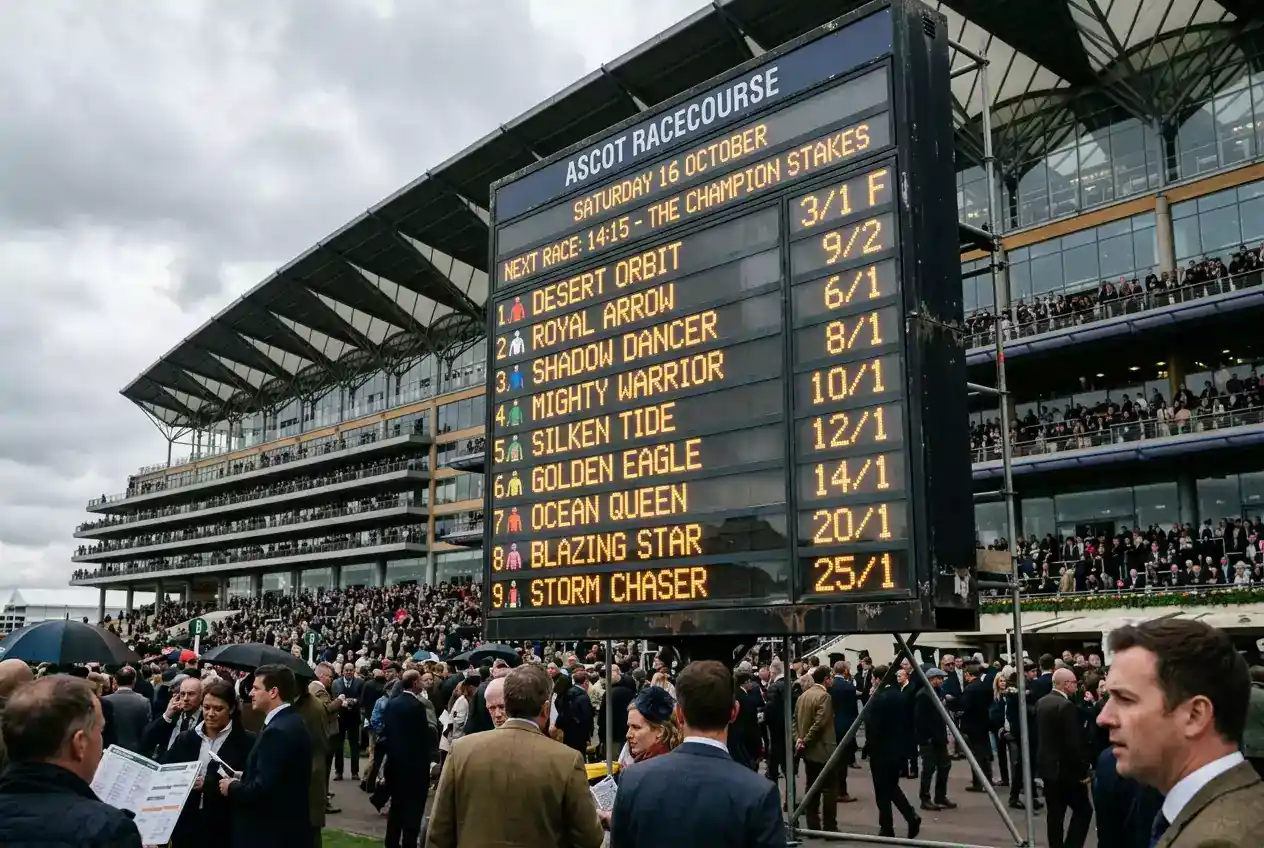
A few years ago, I backed a horse at 8/1 early in the morning before heading out for the day. By the time the race went off, the Starting Price had drifted to 14/1. Because I had taken the early price with an operator offering Best Odds Guaranteed, my bet was settled at 14/1 — not the 8/1 I had locked in. That single upgrade turned a decent return into a seriously good one, and I had done absolutely nothing to earn it except tick the right box at the right bookmaker. The full picture is in our guide to UK horse racing betting.
Best Odds Guaranteed — BOG for short — is one of those promotions that sounds too good to be true until you understand the economics behind it. For UK horse racing bettors, it is arguably the single most valuable feature any operator can offer, and it costs you nothing to use. Horse racing generated GGY of 766.7 million pounds from remote betting alone in the 2024-25 financial year, and operators compete fiercely for racing customers. BOG is one of their primary weapons.
How Best Odds Guaranteed Works
The concept is simple, and that is what makes it so effective. When you place a bet on a UK or Irish horse race at the advertised early price — the price displayed on the operator’s site or app — BOG guarantees that if the Starting Price at the time of the race is higher than the price you took, your bet will be settled at whichever is greater. You get the best of both worlds: the security of locking in a price early, with the upside of any drift.
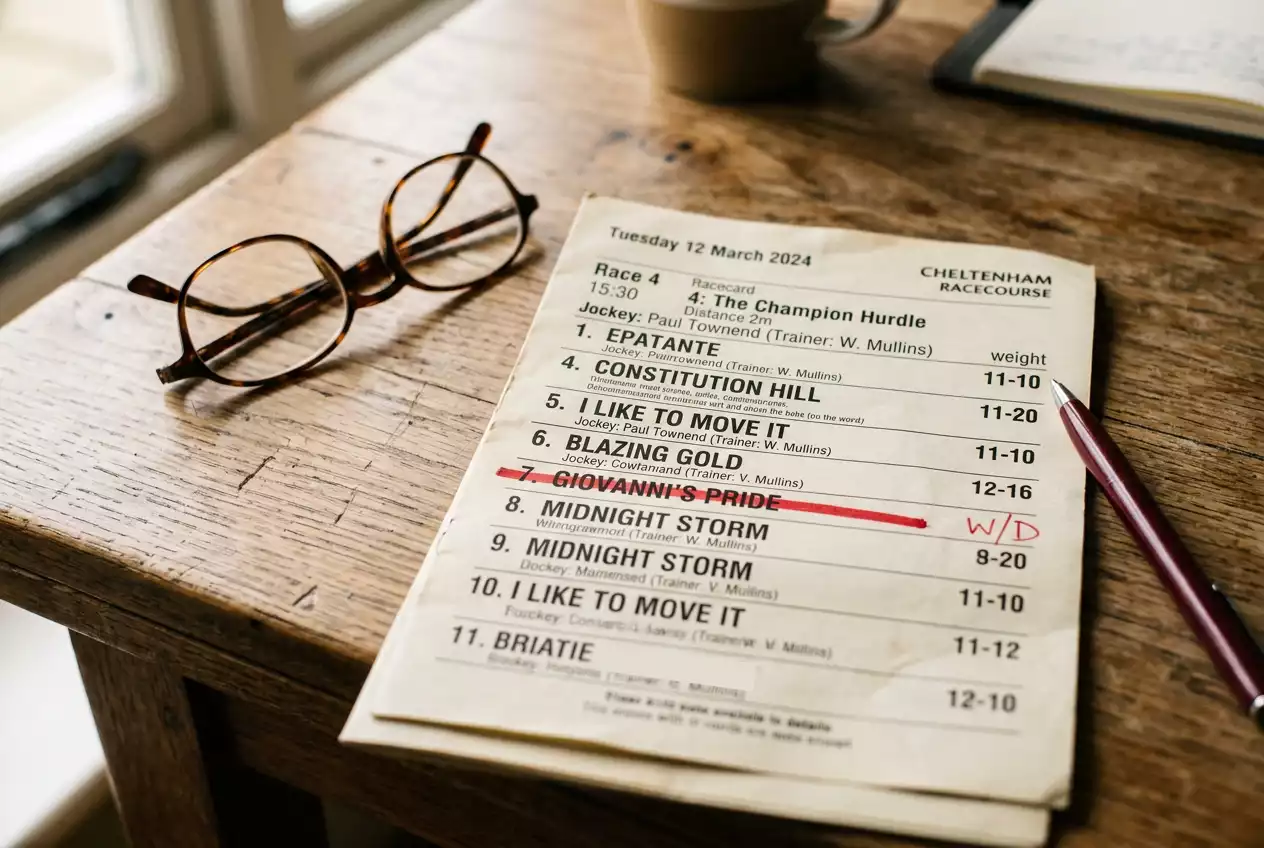
In practice, it works like this. You see a horse priced at 6/1 on Monday morning for a race on Wednesday. You back it at 6/1. By post time on Wednesday, the horse has been friendless in the market and the SP is 10/1. With BOG, your bet is settled at 10/1. If instead the horse’s price had shortened to 3/1 by post time, your bet stays at 6/1 — the price you originally took. You never lose out from taking the early price.
The mechanism runs automatically. You do not need to opt in, request a manual adjustment, or contact customer support. The operator’s system compares your taken price with the SP and applies the higher figure at settlement. It is seamless, and on winning bets, the uplift appears in your returns without any action on your part.
One thing to note: BOG applies to the win part of your bet. Most operators also extend it to the place part of each-way bets, but some restrict it to win-only. Check the specific terms — this is one of those details where five minutes of reading can save you genuine money over a season.
Common BOG Conditions and Restrictions
Nothing in this industry comes without fine print. BOG terms vary across operators, and understanding the restrictions keeps you from unpleasant surprises.
The most common restriction is a maximum payout cap. Some operators guarantee best odds on winnings up to a certain amount — perhaps 500 or 1,000 pounds in additional uplift. If the BOG adjustment would take your extra profit beyond that cap, you receive the capped amount. For most recreational punters betting five or ten-pound stakes, this cap will never bite. For those wagering more seriously, it becomes relevant, particularly on longer-priced horses where the SP drifts significantly.
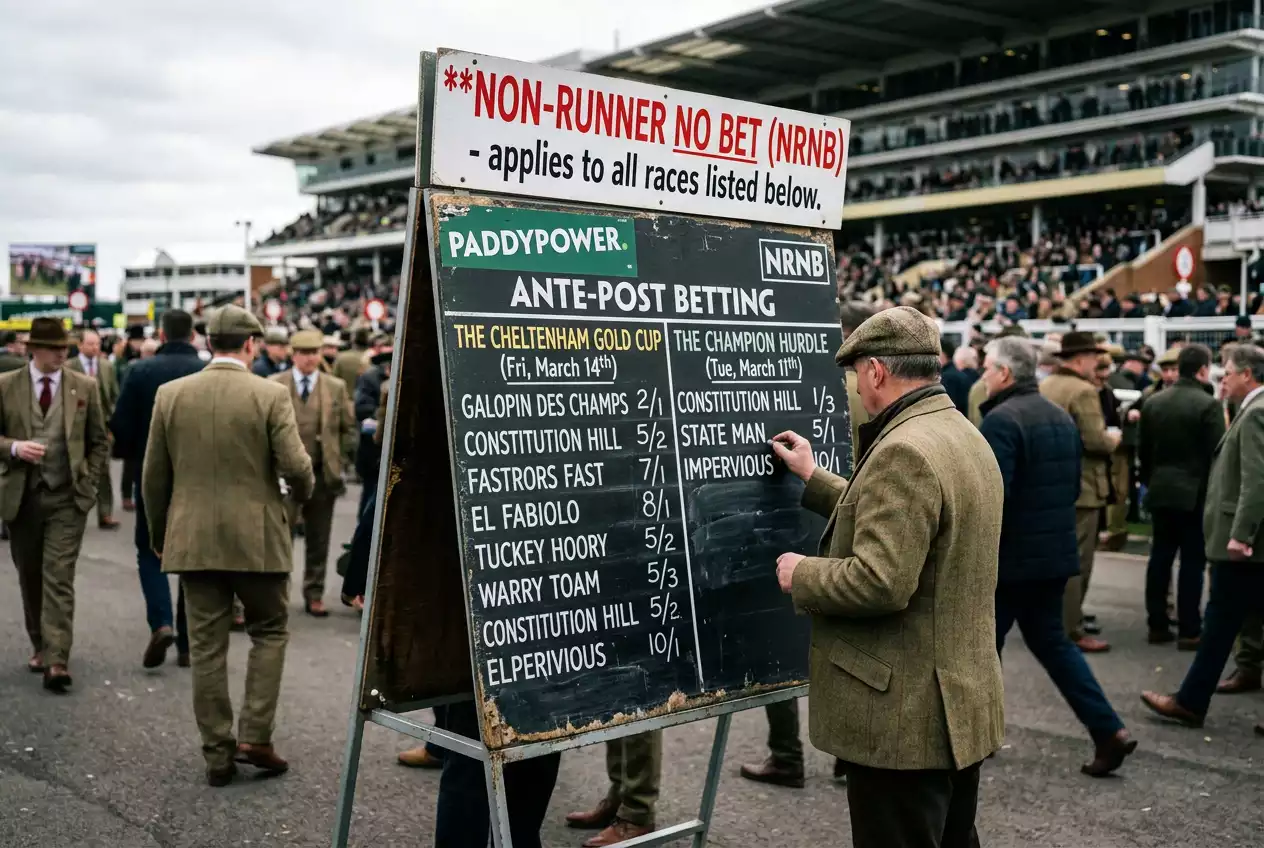
Time restrictions are another factor. Some operators only apply BOG to bets placed after a certain time — say, from 9am on the day of the race — while others extend it to ante-post bets placed days in advance. The most generous terms cover any bet placed at a fixed price from the moment the market opens. In the 2023-24 financial year, horse racing GGY from remote betting was 771.1 million pounds, and operators continually adjust these terms to balance competitiveness with profitability.
Race coverage is usually limited to UK and Irish meetings. Bets on French, American, or Australian racing rarely qualify. Some operators also exclude certain bet types from BOG — most commonly, bets placed using free bet tokens or promotional credits. If you are using a welcome offer, read the terms carefully.
Enhanced odds or price boosts are typically excluded too. If an operator offers a “boosted” 10/1 on a specific horse as a promotion, that boosted price sits outside the BOG umbrella. The guarantee applies to the standard market price, not artificially inflated promotional prices.
BOG vs Taking SP: Which Approach Wins More Often
This is the question I get asked more than any other, and the answer depends on your betting style and timing. Nevin Truesdale, the former chief executive of The Jockey Club, pointed out that online betting revenues had dropped 20% by end of 2023 compared with 2022 — even with better field sizes. In a tighter market, every edge matters, and the BOG vs SP decision is one of the few genuine edges available to ordinary punters at zero cost.
If you take early prices with BOG, you are essentially getting a free option. You lock in a price, and if the market moves against you (the horse shortens), you keep your original better price. If the market moves in your favour (the horse drifts), you get paid at the higher SP. Over a full season, this asymmetry — heads you win, tails you do not lose — accumulates into real money.
Taking SP without BOG means you accept whatever price the market settles on at the off. Sometimes that is better than the morning price; sometimes it is worse. The variance is higher, and you have no downside protection. The only scenario where pure SP beats BOG is when you consistently identify horses that will shorten — in other words, when you believe the early price overestimates the horse’s chances and the market will correct downward. That is a niche skill that even most professionals struggle to monetise reliably.
My approach, refined over years: take early prices on horses where I have done my own analysis and believe the price is fair or generous, always with BOG. I take SP only when I have not had time to assess the market properly and am betting reactively — which, ideally, should not happen often. For a deeper look at how prices form and move, the mechanics of fractional and decimal odds and SP formation are worth understanding thoroughly.
How to Make the Most of BOG Offers
After nine years of tracking BOG outcomes across my own bets and those of readers who share data, I have settled on a handful of principles that consistently extract the most value from the promotion.
Bet early in the day. The wider the window between your bet and the race, the greater the chance the SP will differ from your taken price. Morning prices on competitive handicaps are particularly prone to drift, because the market has not yet absorbed all the money. If your horse drifts from 8/1 to 12/1 between 10am and 3.30pm, BOG hands you that entire uplift for free.
Focus on competitive, open races. Short-priced favourites in small fields rarely drift enough for BOG to matter. A 6/4 shot might move to 13/8 or shorten to 5/4 — the swing is modest. But a 14/1 shot in a twenty-runner handicap might open at 14/1, trade at 10/1 mid-morning, then drift back to 18/1 by post time. BOG captures the upside of those movements without exposing you to the downside.
Use BOG as a tiebreaker. If you are deciding between two operators with similar odds, and one offers BOG while the other does not, the BOG operator is the mathematically superior choice every time. This seems obvious, but I am consistently surprised by how many punters ignore it. The promotion is not a gimmick — it is a structural advantage that compounds over hundreds of bets. How the prices themselves are set: horse racing odds.
Finally, keep a log of your BOG uplifts. I track mine in a separate column on my betting spreadsheet. Over the course of a season, the cumulative BOG benefit usually runs to several percentage points of additional return on turnover. That might not sound dramatic in isolation, but in a game of tight margins, it is the difference between a losing year and a flat or profitable one.
Does Best Odds Guaranteed apply to each-way bets?
Most UK operators extend BOG to both the win and place parts of each-way bets, but some restrict it to the win portion only. Check the specific terms of your operator before placing your bet. Where BOG does apply to each-way, the place part is also settled at the higher of your taken price or SP.
Are BOG offers available on all UK horse racing meetings?
BOG typically covers all UK and Irish horse racing meetings, but coverage varies by operator. Some extend it to every race on the card; others restrict it to certain meetings or race types. International racing — French, American, or Australian meetings — is almost never included. Always confirm coverage in the operator’s promotional terms.
Published by the Racing Horse Betting team.