How to Bet on the Grand National: A Punter’s Playbook for Aintree
 Available in US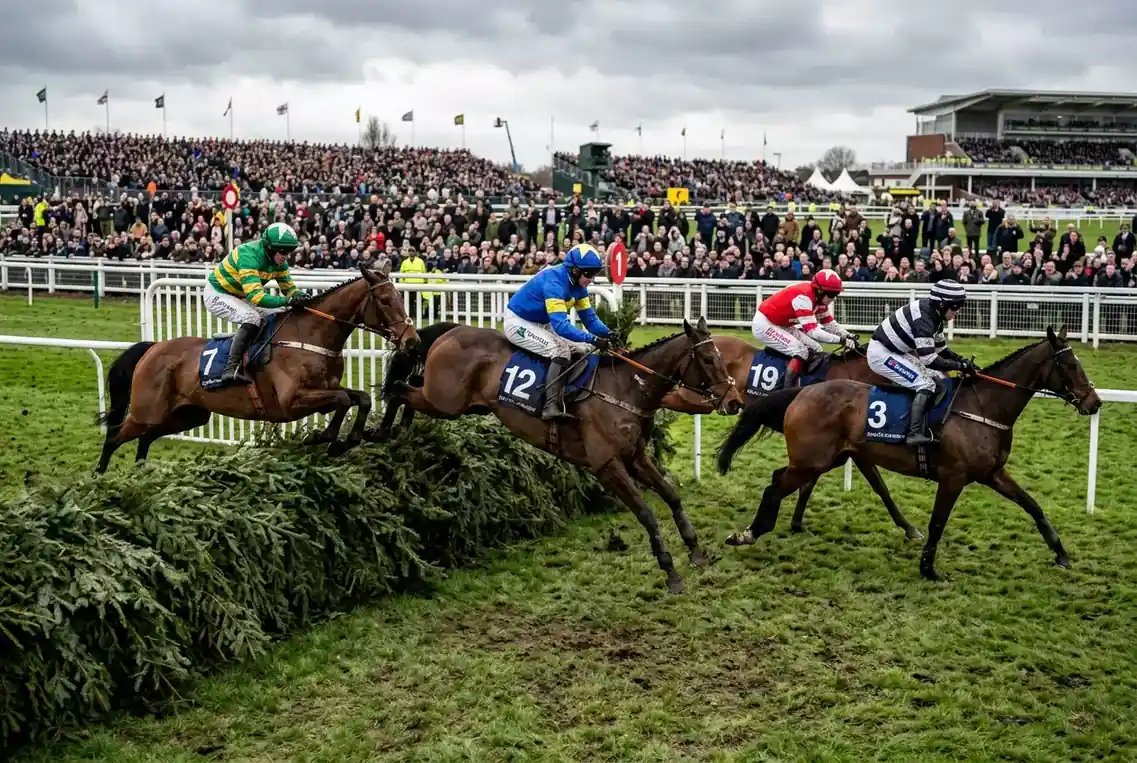
The Grand National is the only horse race my mother has ever bet on. She picks names she likes, puts a couple of pounds each-way, and watches the race with more excitement than any other sporting event of the year. She is not alone — around 7% of UK adults bet on racing during the peak season, and the Grand National pushes that number higher than any other single event. It is the one race where the entire country becomes a racing audience. The full picture is in our guide to UK horse racing betting.
But for serious bettors, the National presents a unique challenge. Forty runners over four miles and two furlongs, thirty fences including Becher’s Brook and The Chair, unpredictable attrition, and a history that consistently produces surprise results. I have bet on every National since 2017, and my approach has evolved from casual punting to a structured process. Here is what I have learned.
The Grand National: Distance, Fences and Field Size
The National is unlike any other race in the calendar. At four miles, two furlongs, and 74 yards, it is the longest and most demanding race in British jump racing. The field is capped at forty runners — the largest of any British race — and the course includes thirty fences, some of which are unique to the National meeting.
Becher’s Brook, with its famous drop on the landing side, has been modified for safety over the years but remains a formidable obstacle. The Canal Turn requires horses to negotiate a sharp left-hand angle after jumping. The Chair, the largest fence on the course, stands at five feet two inches and comes directly in front of the grandstand. These obstacles test a horse’s jumping ability, bravery, and adaptability in ways that no other race comes close to matching.
The sheer size of the field creates chaos. In any race with forty runners, early-race congestion is inevitable. Horses can be brought down by fallers ahead of them, lose position at crowded fences, or run into interference that has nothing to do with their own ability. This randomness is what makes the National thrilling and what makes it genuinely difficult to predict. No amount of form analysis can account for a horse being hampered by a loose runner at the fifteenth fence.
Bet Types That Suit the Grand National
Given the high attrition and large field, each-way betting is the default for most serious National punters. Most operators pay four, five, or even six places on the Grand National — enhanced terms that significantly improve the expected value of backing an outsider. A horse at 25/1 placing in a race paying six places at one-quarter the odds returns 25/4 (6.25/1) on the place part alone — a handsome return from a horse that merely finishes in the top six out of forty.
I typically back two or three selections each-way rather than concentrating my stake on a single horse. The uncertainty is too high for a single-bet strategy. Spreading across multiple runners that fit my form criteria gives me a better chance of at least one placing, and the enhanced place terms mean even a single placed horse can deliver a profit on the overall National spend.
For those comfortable with more exotic bets, a forecast or tricast on the National offers enormous dividends but with correspondingly enormous difficulty. I steer away from these — the forty-runner field makes accurate first-and-second prediction close to impossible. Similarly, accumulator legs involving the National carry extreme risk: one fall at Becher’s Brook and your entire multi collapses.
Form Factors That Matter at Aintree
Aintree-specific form is the most valuable data point for the National. Five million viewers watched Royal Ascot on ITV in 2025, but the National draws even broader attention — and within that attention, the bettors who focus on Aintree-specific angles outperform those who rely on general form.
Previous experience over the National fences is a strong positive. Horses that have completed the course before — particularly those that jumped cleanly and finished with energy — have demonstrated they can handle the unique demands. First-time National runners face a significant unknown: will they cope with the drop fences, the crowds, the noise, and the sheer length of the race? Some thrive. Many do not.
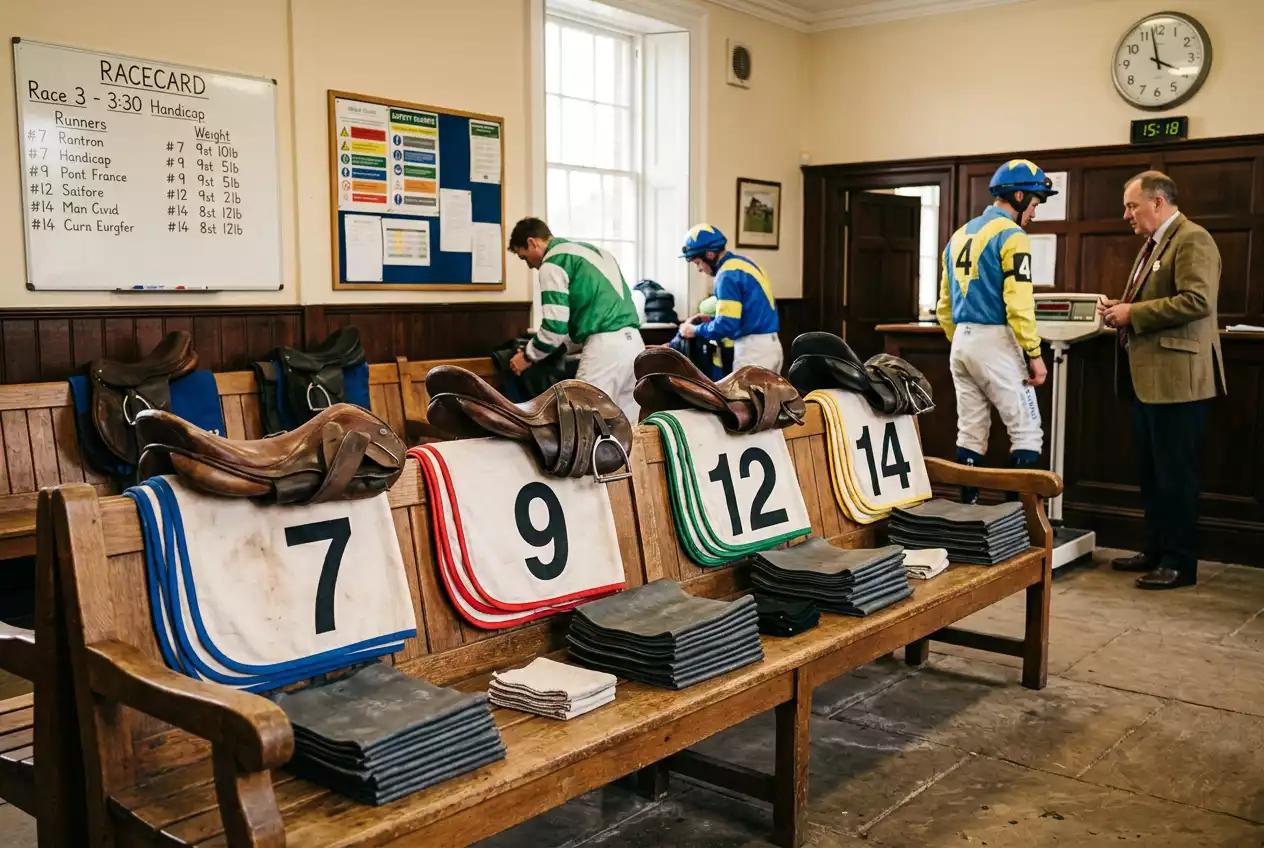
Weight is a critical factor. The National is a handicap, and the weight range is wide — typically from 11st 10lb at the top to 10st at the bottom. History shows that horses carrying below 11st have a better record than top weights. The physical demands of four miles over thirty fences amplify every extra pound. A horse carrying 11st 8lb is at a genuine disadvantage compared with one at 10st 4lb, and the market does not always fully price this in.
Age matters. The sweet spot for National winners is nine to eleven years old — horses old enough to have experience over fences but young enough to handle the physical demands. Horses younger than eight often lack the maturity and jumping experience. Horses older than twelve often lack the stamina to sustain their effort over the final mile.
Timing Your Grand National Bet
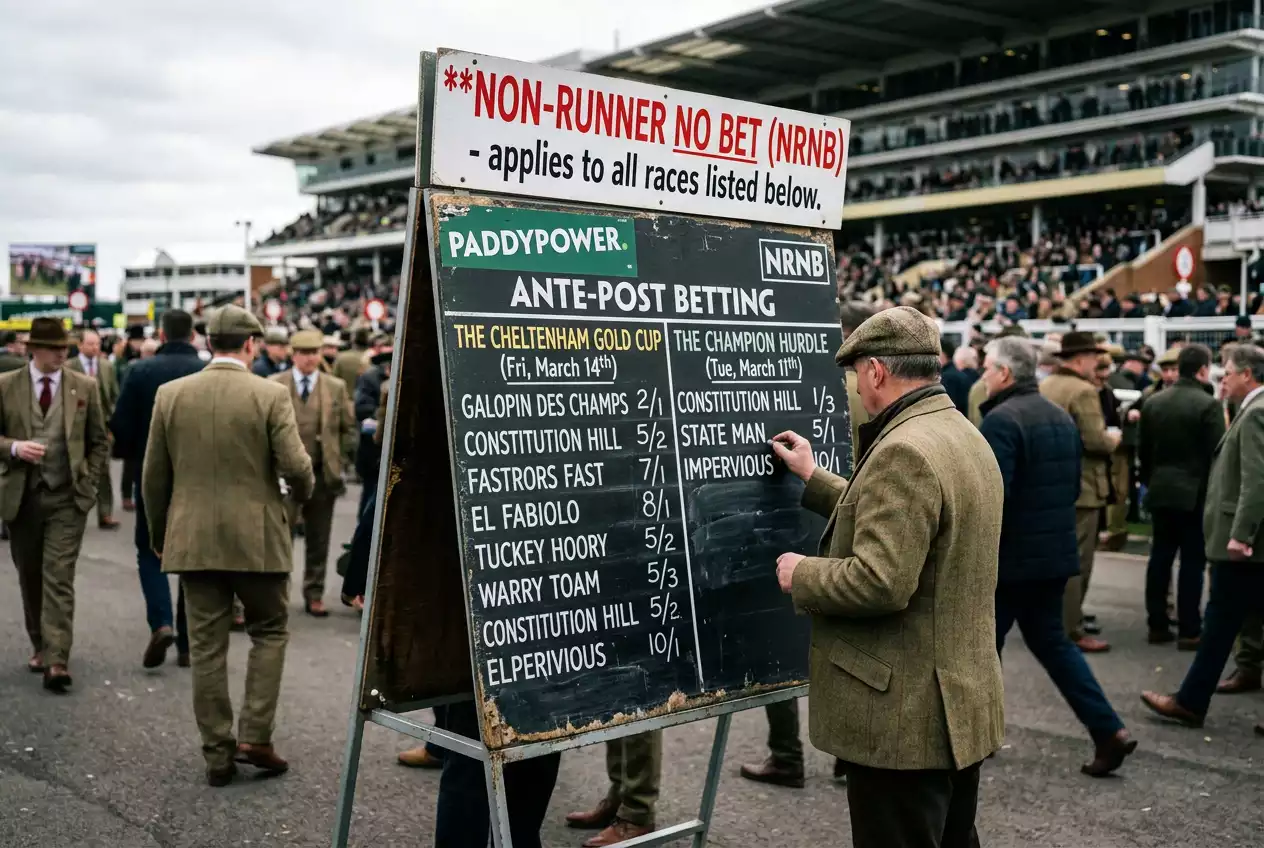
The National ante-post market opens months before the race, and the prices in October or November are substantially bigger than those available in early April. If you have identified a likely runner early in the season, the ante-post value can be compelling — but the non-runner risk is real, and losing your stake on a horse that does not make the final cut is a common frustration.
NRNB (Non-Runner No Bet) markets for the National typically open closer to the race and offer protection against withdrawals at the cost of shorter prices. I use NRNB for the National specifically because the field is so large and the attrition rate before declarations is high. Trainers frequently target the National and then re-route to alternative races if the going does not suit or the horse picks up a minor setback.
My timing strategy: I take one or two ante-post positions early in the season at big prices, accepting the non-runner risk. Then, in the week before the race, I add one or two more selections at NRNB prices once declarations are confirmed and the going is known. This gives me exposure to the early value and the late certainty, spreading my risk across timing as well as selections. For a broader understanding of how ante-post risk works across the racing calendar, the mechanics of ante-post markets explain the trade-offs in detail. Aintree ante-post needs NRNB: what Non-Runner No Bet means.
How do I bet on the Grand National?
The simplest approach is an each-way bet on one or more selections. Most bookmakers offer enhanced place terms for the National — typically four to six places at one-quarter the odds. Open a funded account with a licensed UK operator, navigate to the Grand National market, select your horse, choose each-way, enter your stake, and confirm. You can bet from weeks in advance (ante-post) or on race day.
When is the best time to place a Grand National ante-post bet?
The biggest prices are available months before the race, typically from October onwards. However, these bets carry the risk of losing your stake if the horse does not run. A balanced approach is to take one or two early positions at big prices and then add selections closer to the race via Non-Runner No Bet markets, which refund your stake if the horse is withdrawn.
Written by the editors at Racing Horse Betting.