Horse Racing Draw Bias: How Stall Position Affects Flat Results
 Available in US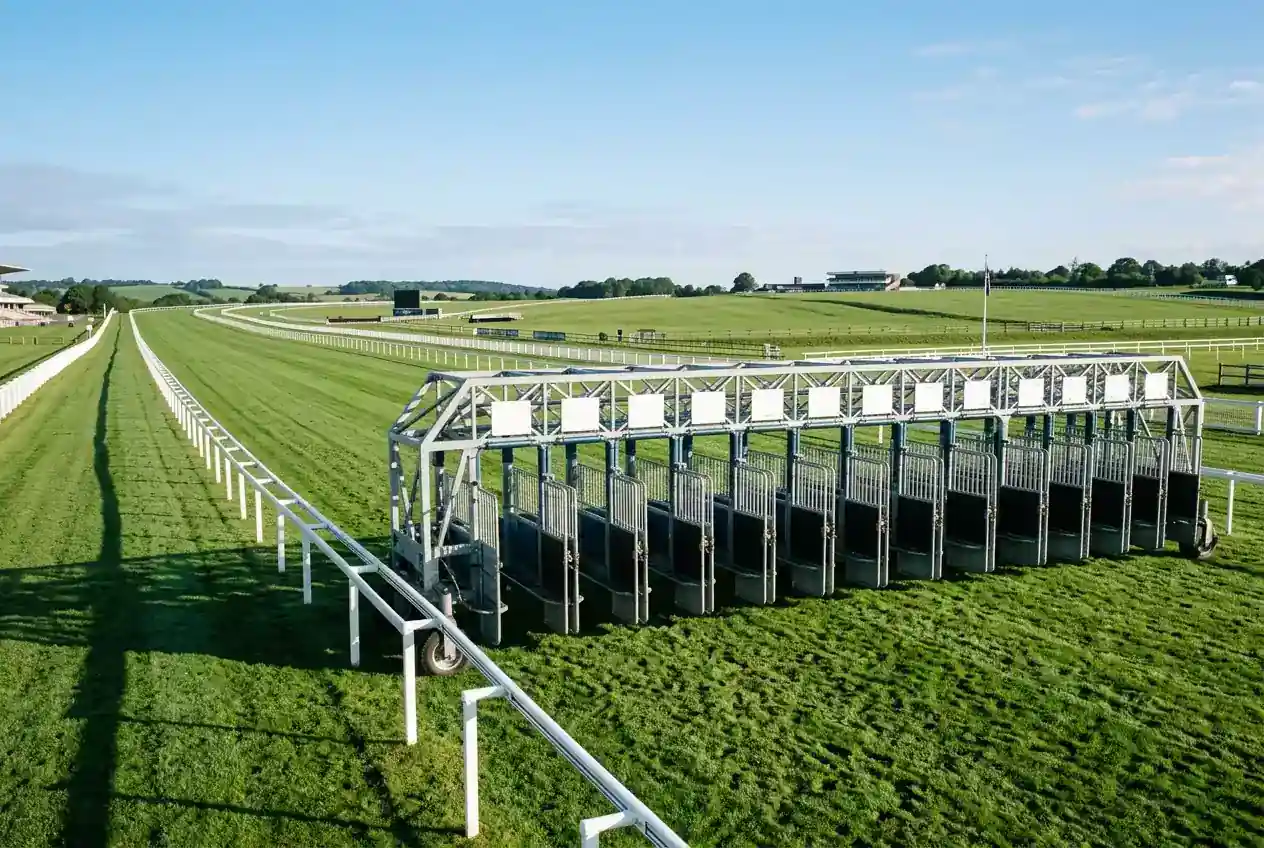
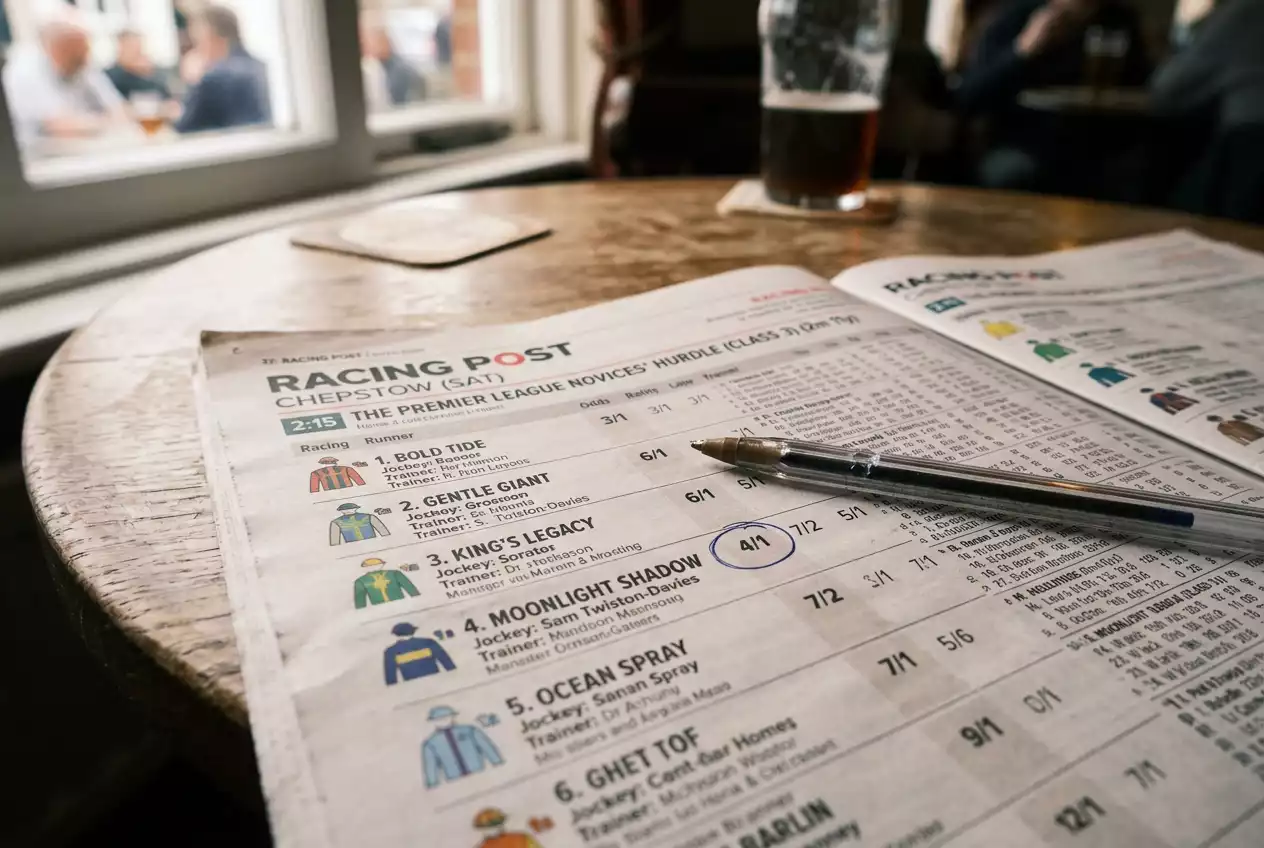
Chester racecourse taught me more about draw bias in a single afternoon than a year of reading form. I backed a horse drawn in stall fifteen in a sixteen-runner sprint. On paper, the form was good, the price was right, the jockey was in form. It finished eighth. The winner came from stall two. The second came from stall three. The third came from stall one. I checked the historical data afterwards and discovered that low draws at Chester’s tight, left-handed track dominate sprint races to a degree that borders on statistical certainty. I had ignored the draw and paid for it. The full picture is in our guide to UK horse racing betting.
Draw bias — the advantage or disadvantage a horse gains simply from its starting stall position — is one of the most underappreciated factors in Flat racing betting. It does not exist at every course, it varies with distance and going conditions, and it can reverse itself depending on the pace of the race. But at certain tracks, in certain conditions, the draw is not merely a consideration — it is the dominant factor.
Why Draw Bias Exists in Flat Racing
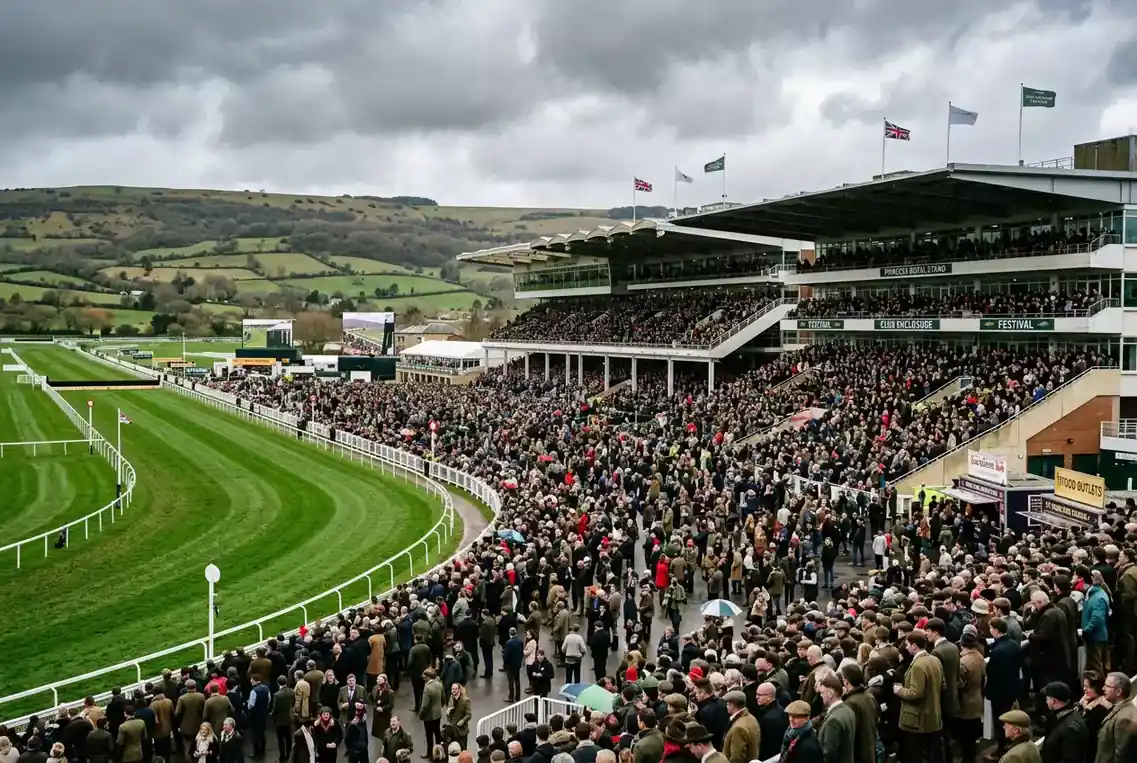
Draw bias occurs because racecourses are not perfectly symmetrical. The camber of the track (the sideways slope that helps drainage), the position of the running rail, the location of softer or firmer ground, and the distance from the stalls to the first bend all contribute to unequal opportunities for horses starting in different positions.
At courses with tight bends — Chester, Beverley, Brighton — horses drawn on the inside have a shorter distance to travel around the turn, which translates directly into a positional advantage. On straight courses — the Rowley Mile at Newmarket, the sprint course at Ascot — the bias is more about ground conditions. If the going is softer on one side of the track (usually the stand side, which gets more wear), horses drawn on the far side may find better ground.
Going conditions amplify or suppress draw bias dramatically. On good to firm ground, where the surface is consistent across the track, draw bias tends to be minimal. On soft or heavy ground, where moisture distribution is uneven, one side of the track can ride significantly faster than the other. A horse drawn on the favourable side gains a measurable advantage that no amount of ability can fully overcome from the wrong side.
The number of horses in training in Britain dropped to 21,728 in 2025, continuing a gradual decline, and smaller fields reduce draw bias because there is less bunching around the first bend. In a five-runner race, every horse has room to manoeuvre. In a twenty-runner sprint, the inside draw advantage is magnified because horses drawn wide must cover extra ground just to find a position.
Key UK Courses Where Draw Matters Most
Some courses are notorious for draw bias, and recognising them instantly is a baseline skill for serious Flat bettors. Let me walk through the main ones.
Chester is the most extreme example. The tiny, circular track with its sharp left-hand bends gives low draws a huge advantage at sprint distances. Stalls one to four dominate the results in races up to seven furlongs. At longer distances, the bias diminishes because the field has more time to sort itself out, but over five and six furlongs, ignoring the draw at Chester is throwing money away.
Beverley shows a strong high-draw bias on its straight five-furlong course. Horses drawn on the stand side (high numbers) tend to find better ground and a straighter path. At longer distances on the round course, the bias shifts. This kind of distance-dependent reversal catches punters who assume the bias is the same regardless of the trip.
Goodwood is tricky because the draw bias depends heavily on the going and the pace of the race. On soft ground, the far side (high draws) tends to offer better terrain. In big-field handicaps on good ground, the stands’ side rail can be the place to be. The Glorious Goodwood festival in July regularly produces races where one side of the track dominates, and identifying which side before the off is a genuine edge.
Ascot’s straight course over five and six furlongs can develop a pronounced bias in soft conditions, with the stands’ side or far side becoming dominant depending on where the ground has been preserved. The round course at Ascot over a mile and longer shows less bias because the field negotiates a turn that partially neutralises starting position.
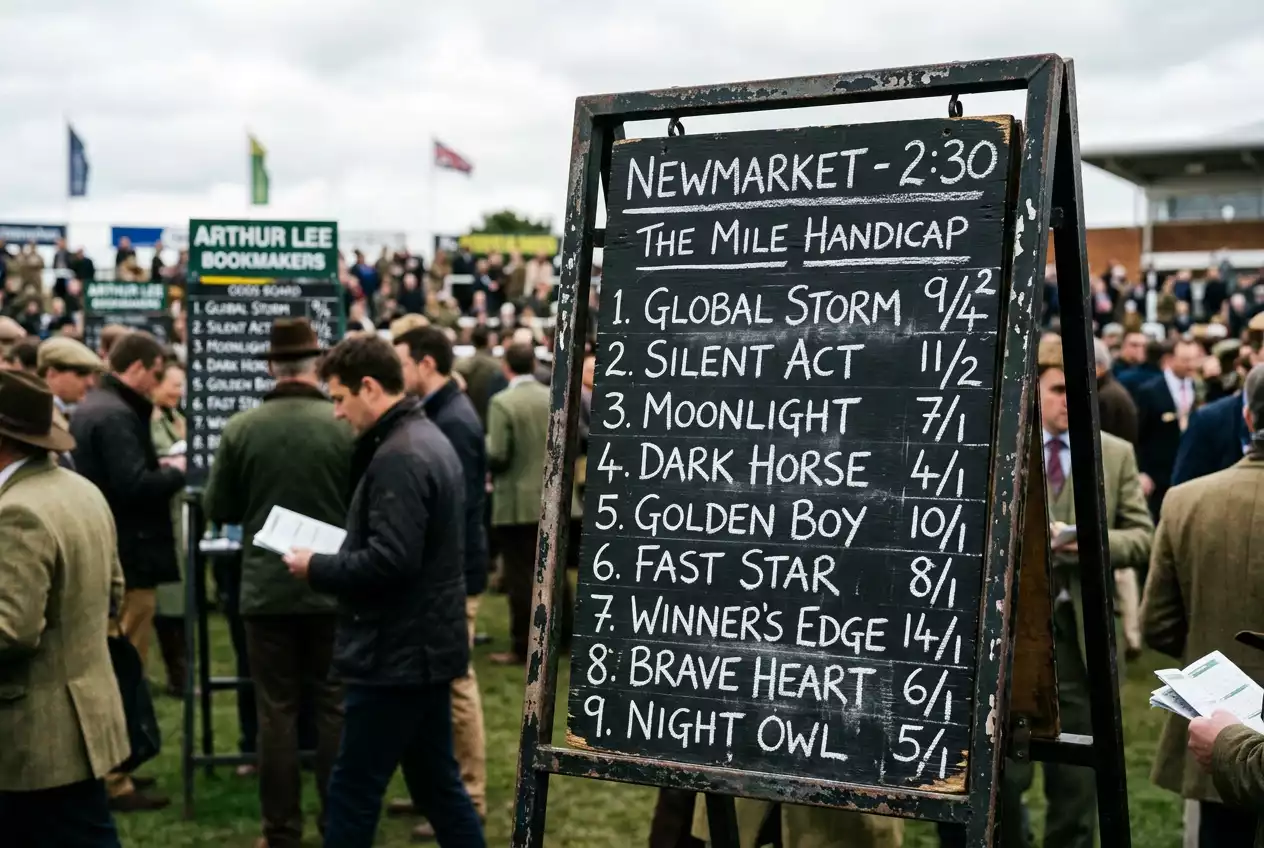
Newmarket’s two courses — the Rowley Mile and the July Course — both have straight sections where draw bias can emerge. Large fields on the Rowley Mile sometimes split into two groups racing on opposite sides of the track, with one side producing the first three or four finishers. When this happens, it can look baffling to the uninitiated — “why is everyone on the far side?” — but the jockeys have identified (through course walks and instinct) where the faster ground lies.
Using Draw Data in Your Betting Analysis
Historical draw statistics are freely available through racing data platforms, and incorporating them into your pre-race analysis is straightforward once you know what to look for. The key metrics are win percentage by stall position, place percentage, and impact value (a measure of how much a particular stall outperforms the expected average).
I use a simple filter before every Flat bet: does this course, at this distance, on this going, show a significant draw bias? If the answer is yes, I immediately check my selection’s stall number. If it is drawn on the wrong side, I either reduce my stake, look for a better-drawn alternative, or skip the race entirely. No amount of form analysis can overcome a structural positional disadvantage.
Timing matters. Draw bias data is most reliable when based on recent results at the same course, distance, and going type. Historical data from five years ago on good ground is not relevant to today’s race on soft ground. I filter for the most recent two seasons and for going conditions that match the day’s forecast. This gives me a smaller but more representative dataset.
One trap to avoid: draw bias does not mean the highest-drawn horse always beats the lowest, or vice versa. It means that across a large sample of races, horses drawn on the favourable side win more often than their form alone would predict. In any individual race, a well-handicapped horse from an unfavourable draw can still win — the bias creates a probability tilt, not a certainty. Treat it as one factor among several, and weight it according to how strong the bias is at the specific course. For more on how the going interacts with draw position, the full breakdown of ground conditions shows why surface state amplifies or dampens draw effects. The track shapes the draw: the course guide.
What is draw bias in horse racing?
Draw bias is the advantage or disadvantage a horse gains from its starting stall position in a Flat race. It occurs because racecourses are not perfectly symmetrical — factors like track camber, the position of bends, and uneven ground conditions mean that some stall positions consistently produce better results than others. The bias varies by course, distance, and going conditions.
Which UK racecourses have the strongest draw bias?
Chester is the most extreme, with low draws dominating sprint races due to the tight left-hand bends. Beverley shows a strong high-draw bias on its straight five-furlong course. Goodwood, Ascot, and Newmarket all develop draw biases in certain conditions, particularly on soft ground or in large fields. The bias at each course can vary by distance and going, so checking current data before betting is essential.
Published by the Racing Horse Betting team.